
Why Wood Is The Best Surface for a Bread Bench (and How to Care for It)
Oct 09, 2026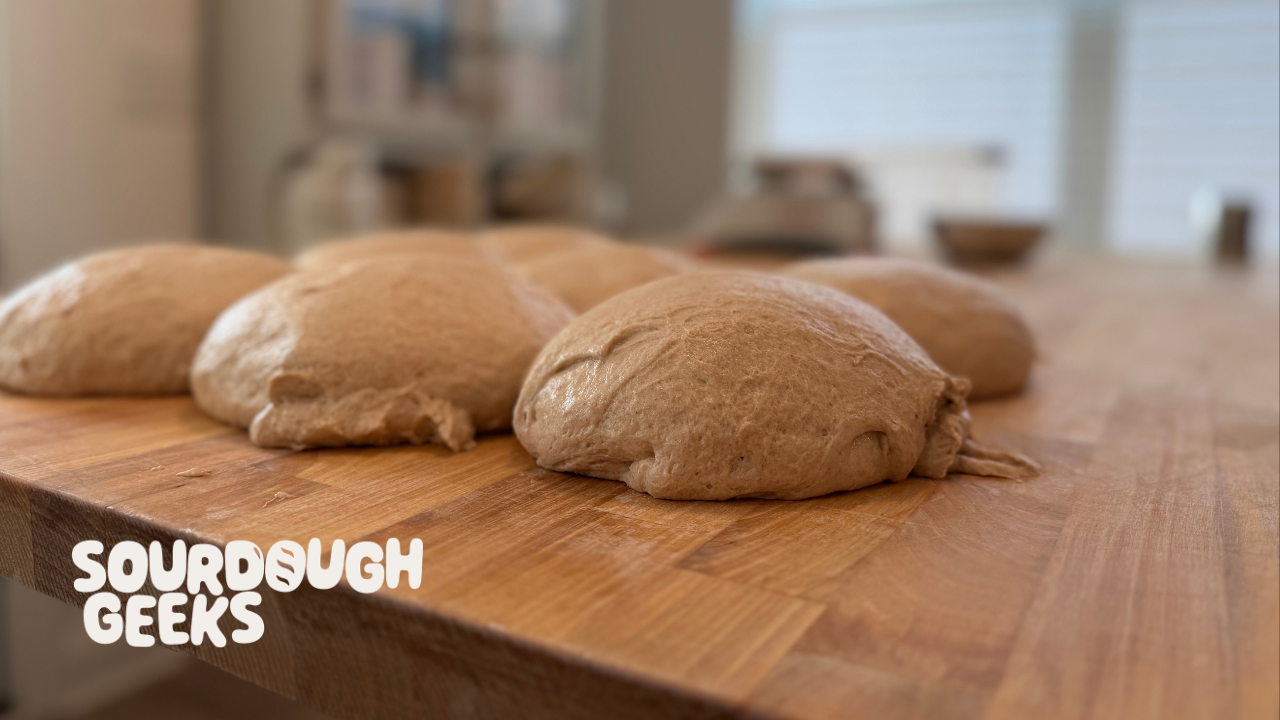
Which wood to choose, and how to oil, clean, and sanitize your bench, butcher block, or bread board
I’m often asked about bench care, and specifically about wood, which is my preferred and recommended surface for working with dough. That might be a dedicated wooden bench, a butcher block countertop, or a bread board, and the same care applies to all of them. It came up again when one of our Bakers Club members asked about it during our Shape Up Your Shaping BREAD Talk, so it seemed like a good time to put it all in one place. There’s a lot of misinformation out there about which oils you should or shouldn’t use and how best to maintain wood, so let’s go through it.
What’s the Best Surface for Shaping Dough?
Most home bakers work on whatever surface their kitchen came with, and most of those will do the job. Stainless steel is easy to clean and sanitize, which is why it’s standard in commercial kitchens, but dough sticks to it readily and it pulls heat from the dough. Stone surfaces like granite, marble, and quartz behave in a similar way: smooth and cool, which is great for pastry but less helpful for sourdough, where you want the dough to hold a steady temperature. Laminate countertops are workable but can be sticky, and they scratch easily under a bench knife.
Wood stays close to room temperature, and its surface holds a light dusting of flour evenly, giving the dough enough grip to build tension when shaping. That’s why it’s what I use.
What’s the Best Wood for a Bench or Bread Board?
Not all wood is equal, though. Ideally you want a wood that is hard and has a relatively tight end grain. Hard rock maple is the very best you can use. Teak is also a good choice because it resists moisture, which is why you see it used for docks, and why old wooden boats were made of it. My own bench is birch. It’s not ideal, but it’s good enough, and it’s dramatically less expensive than those other woods.
How Do You Oil a Wooden Bench?
Whichever wood you have, the first thing to do is prepare it with several coats of oil. That way, when you wash it, the water won’t get absorbed into the wood, and it won’t bow, warp, or split.
I use grapeseed oil. It’s a semi-drying oil, which means that when it’s exposed to oxygen it polymerizes, going from a liquid to a solid. Other good choices include food grade mineral oil or mineral oil/beeswax mixture. These are often proprietary and expensive though. You can also use raw linseed (flaxseed) or pure tung oil, which are both drying oils.
You’ll often see olive oil recommended for wood, but I’d steer clear of it. It’s a non-drying oil, so it doesn’t polymerize in the same way, and there’s a high probability it will go rancid. The key to oiling any bench is not to use too much, because too much oil won’t dry in an even layer. It works the same way as seasoning cast iron. You put on a very thin layer, then wipe off as much as you possibly can, so it doesn’t even look or feel like there’s any oil there at all, and you build up progressively thin layers. On a bench, that means adding the oil, wiping it almost dry, leaving it at least overnight exposed to oxygen to polymerize, then repeating. Do that a few times to build up layers of protection. The oil also conditions and moisturizes the wood so it doesn’t crack or split.
How Do You Clean and Maintain a Wooden Bench?
At the end of a bake day, I scrape off any dried bits with my bench knife, then give the bench a good scrub with warm soapy water and a mildly abrasive scrubber. I rinse it with a clean damp cloth, wipe it dry, let it dry fully, and then add a thin coat of oil.
You don’t need to oil it every time you clean it, though. At the bakery we oiled once or twice a week, and we were on the bench all day every day, so at home an extra coat once or twice a month is fine. The continual upkeep is to clean and rinse each time you use it, and occasionally add a layer of maintenance oil.
How Do You Sanitize a Wooden Bench?
If you’re working in a commercial environment, you may be required to sanitize. At the bakery we used a sani bucket with a food-safe quaternary solution. Other people use a small quantity of bleach (sodium hypochlorite), diluted considerably in water. Either way, wipe the bench with a damp sani rag and let it air dry naturally before adding more oil.
I hope that helps clear up some of the confusion. A little regular care goes a long way, and a well-kept wooden bench will be with you for many years of baking, with every loaf you shape on it better for it.
🤓 LOOKING TO LEVEL UP & BAKE BETTER BREAD? ✅
Join Sourdough Geeks' Bakers Club and unlock the good stuff! Resources, events, and connection, all within a private space. It's right there waiting for you!
